Angelica: immune support with a side of Viking superstition.
From Shieldmaiden Eir’s Herbarium — Angelica (Angelica archangelica)
An herb of protection and resilience: supporting immunity, easing breath and digestion,
and—if you believe the old stories—keeping darker forces at bay.
Edible, aromatic, and endlessly versatile in both kitchen and craft.
This week, I’ve been drawn to Angelica — a tall, fragrant plant that once stood as a guardian in Viking households.
Maybe it’s because so many of us are craving protection, steadiness, and a sense of being held through transition. Angelica has always been a plant for vulnerable seasons: the moments when the body and spirit need extra support.
Heritage & Healing
In Norse tradition, Angelica was more than a plant — it was a protector. Vikings carried it on long journeys, burned it in homes during illness, and used it as a tonic before winter. It was believed to strengthen immunity, support digestion, ease respiratory issues, and even ward off unwanted energies.
Angelica’s roots were seen as a kind of winter armor, helping the body stay resilient through cold, dark months.
Botanical Identity
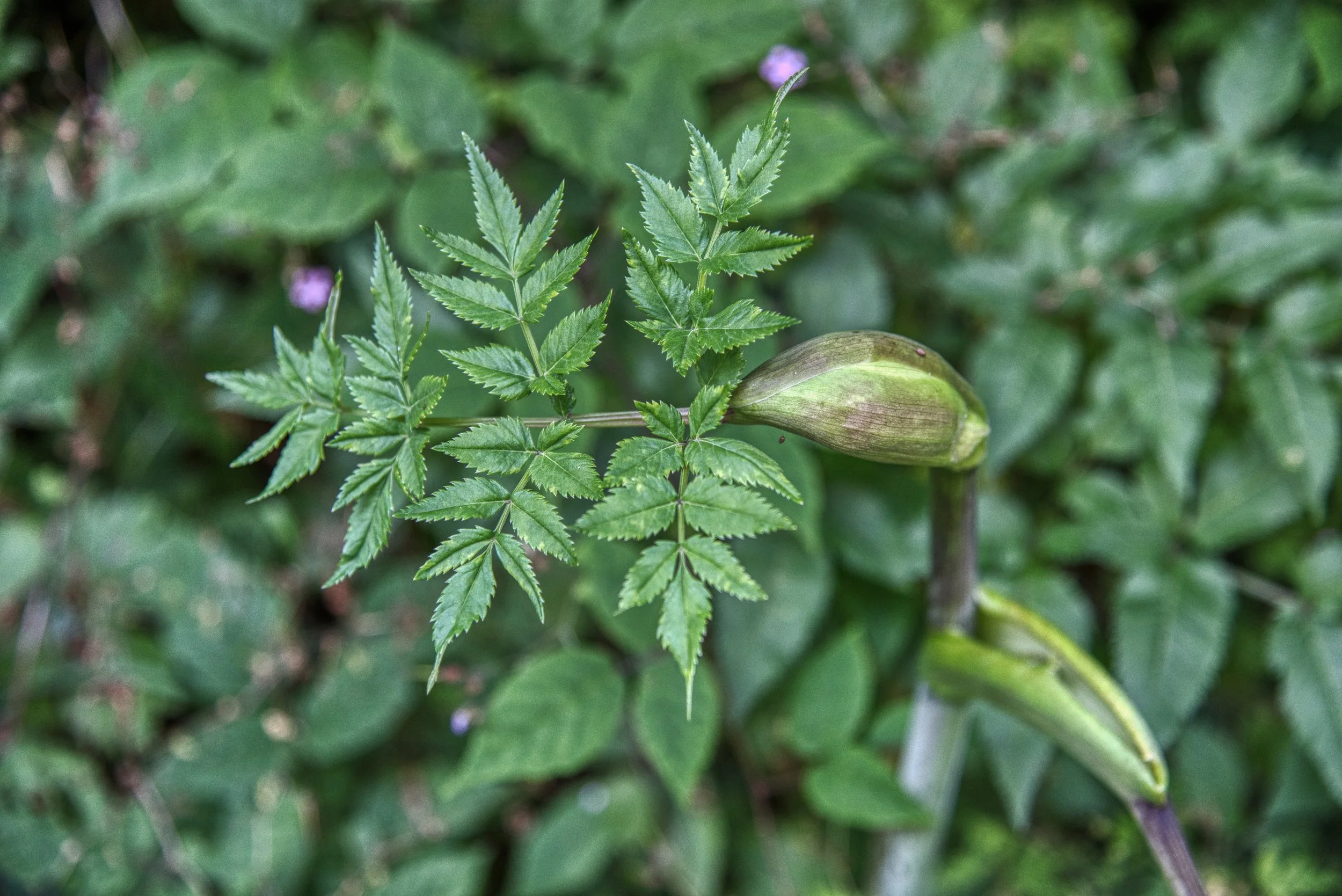
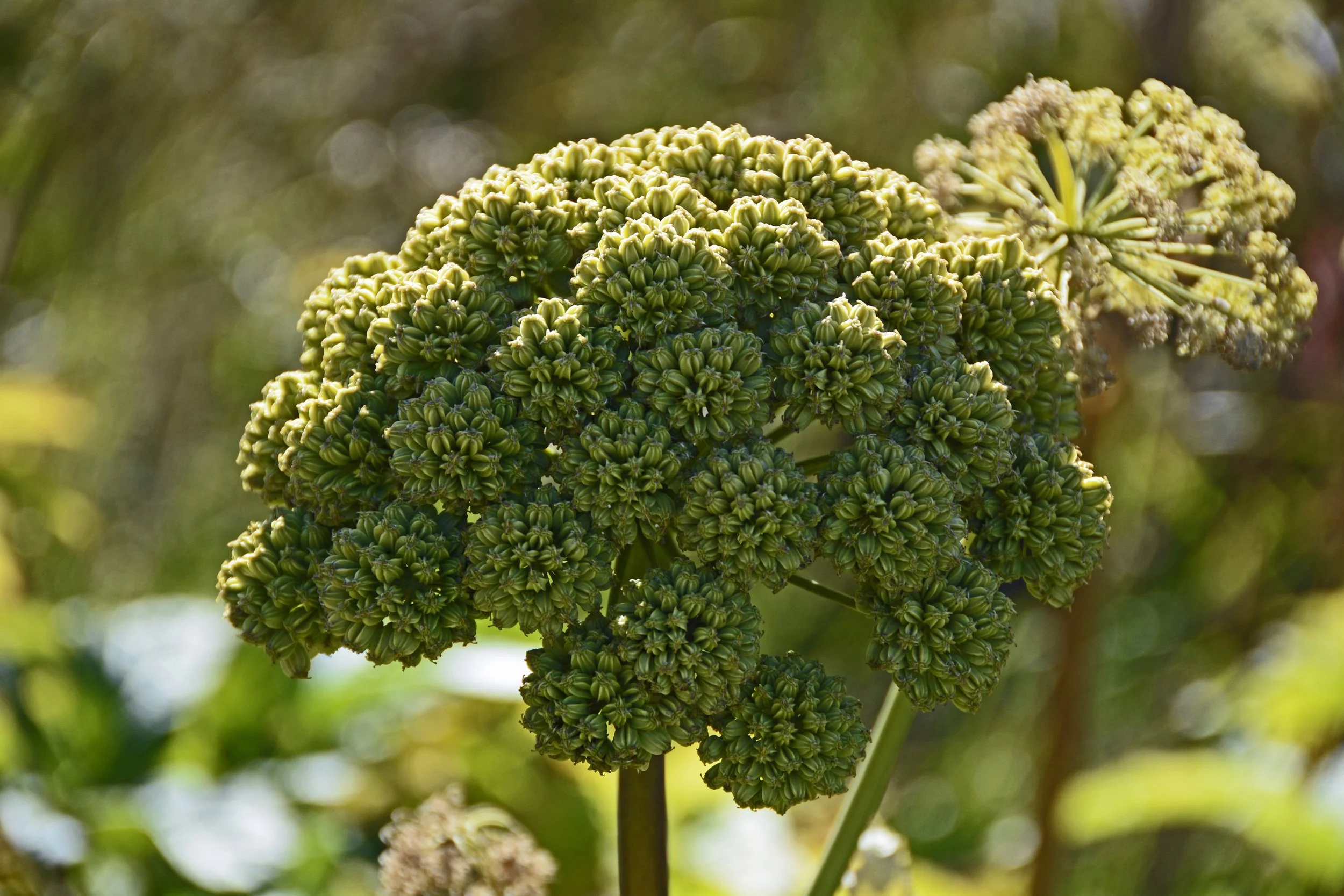
Angelica is a biennial edible wild plant in the Apiaceae family. It grows tall — up to 2.5 meters — with large umbrella-like clusters of white‑greenish flowers and hollow purple stems.
It thrives in moist soils, stream edges, woodlands, and wetlands, where its aromatic presence has marked the landscape for centuries.
Edible Uses (Culinary Angelica)
Angelica is one of the few herbs that bridges medicine, myth, and food.
Every part of the plant offers something unique:
Leaves and stalks are edible
Stems can be eaten raw or added to salads
Leaves enrich soups, stews, and teas
Young shoots can be cooked or eaten raw (peeled)
Boiled stalks behave like celery
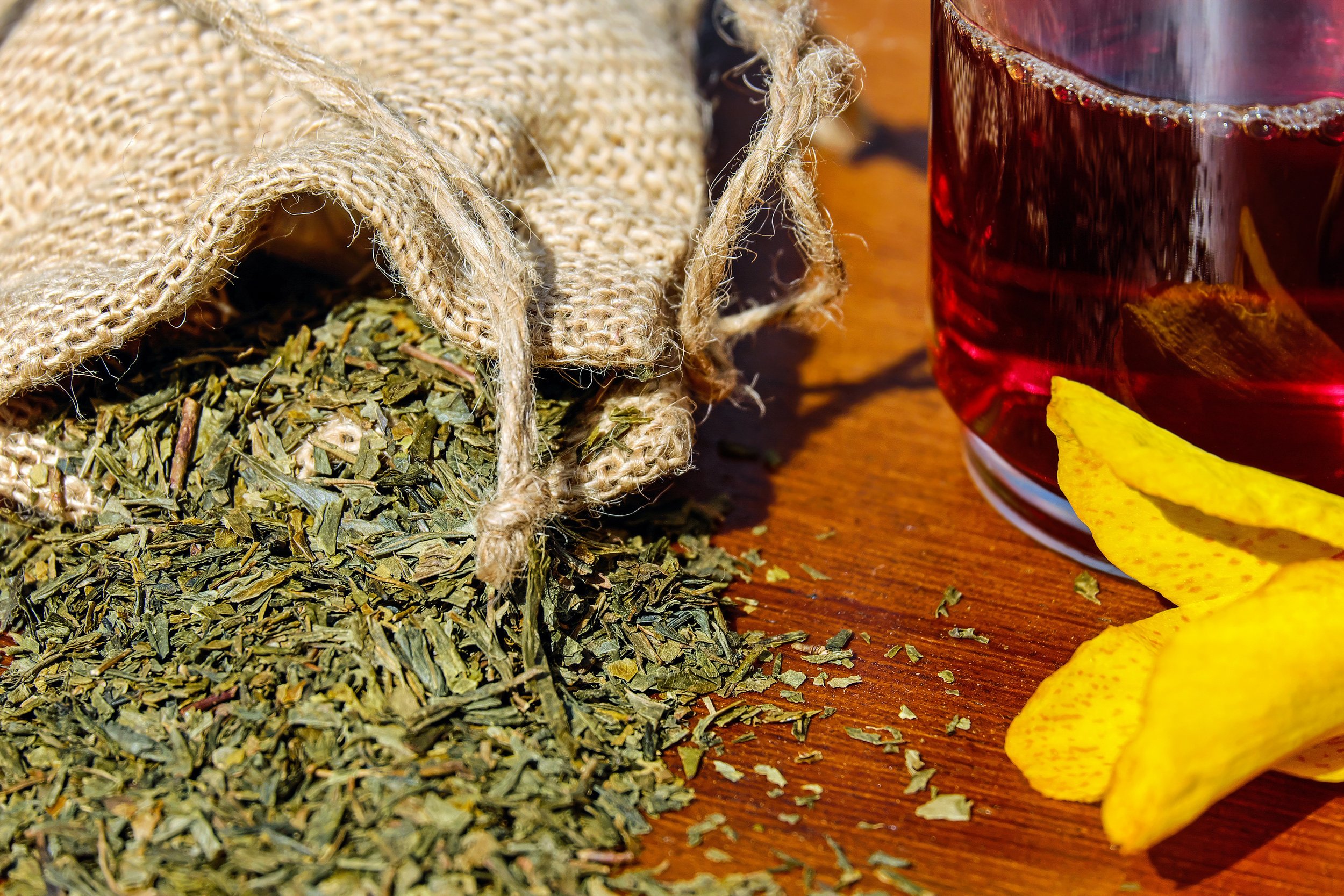
Tea can be made from leaves, seeds, or roots
Flavour: liquorice‑like, aromatic, warm
Pairs beautifully with fennel
This makes Angelica a perfect herb for a Scandinavian kitchen — simple, earthy, and deeply traditional.
Culinary Angelica: Taste & Kitchen Uses
Angelica has a warm, aromatic sweetness often compared to licorice, but with more complexity — floral, slightly bitter, earthy, musky, and touched with a faint carrot‑like undertone.
Its flavor shifts depending on the part of the plant:
Stems: Bright, intensely aromatic — often candied or used fresh
Seeds: Fennel‑ or anise‑like; toasted or ground for baking
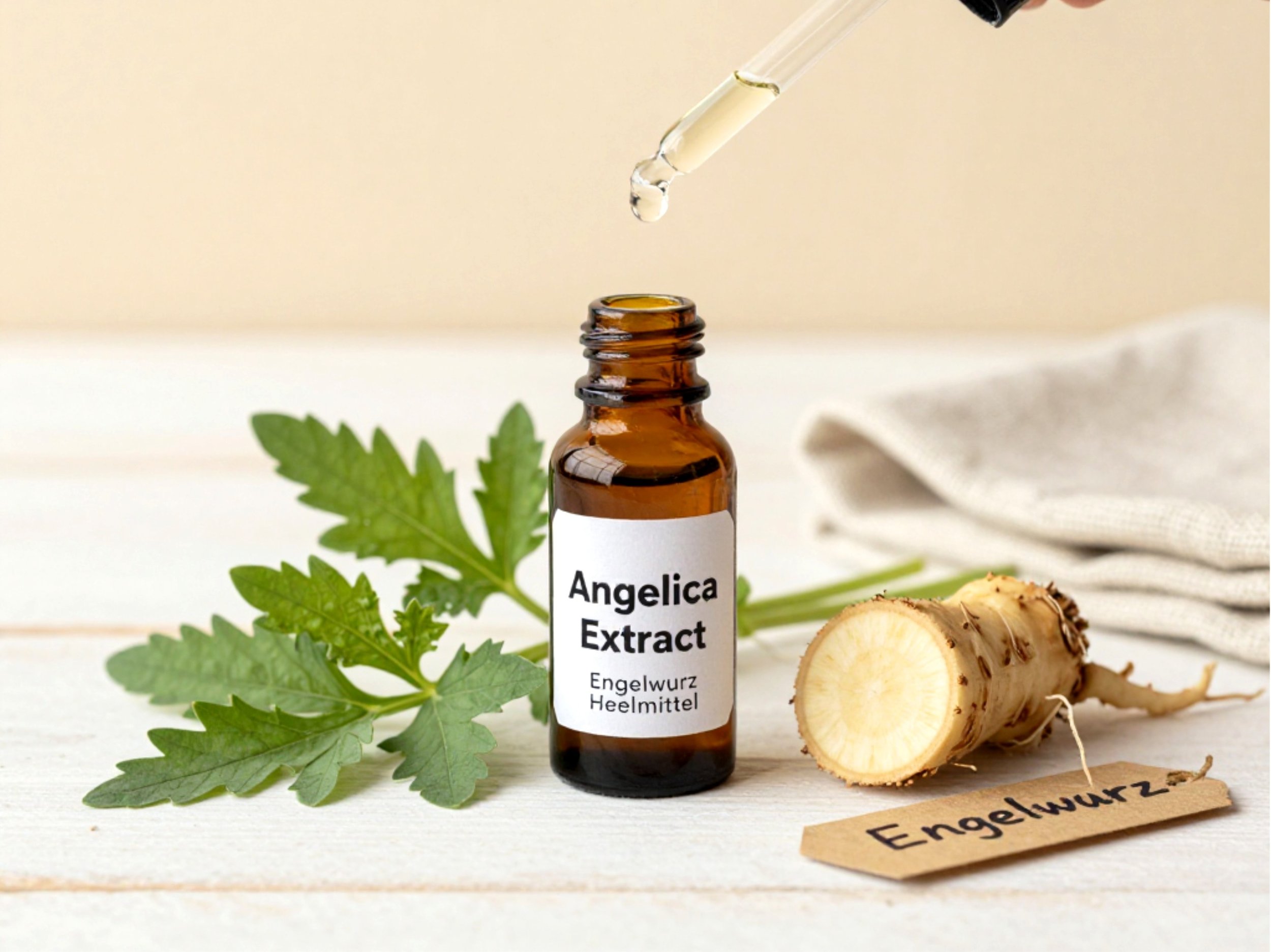
Roots: Earthy, bitter, musky; grated for infusions, syrups, broths
Leaves: Mild, herbal, aromatic but gentle
How Angelica Compares
Angelica sits between fennel (sweeter, simpler) and lovage (parsley‑celery with a sweet twist). Its musky warmth is why it’s used as a gin botanical, though it’s gentler than juniper.
Sweet Uses
Angelica shines in traditional Scandinavian and European sweets:
Candied stems for cakes, pastries, and desserts
Herbal teas from leaves and roots — aromatic and soothing
Liqueurs — roots and seeds flavor gin, Chartreuse, Benedictine
Pickling — seeds and roots add a distinctive herbal bite
Savory Uses
Angelica’s earthy warmth makes it a beautiful addition to Nordic cooking:
Seasoning — fresh leaves in salads, soups, stews, braises
Root‑vegetable dishes — perfect with carrots, parsnips, squash, sweet potatoes
Roasted meats — chopped stems with onions for a unique aroma
Infusions — grated roots in soups or stews for grounding bitterness
Creative Scandinavian‑Inspired Ideas
Toss stems with bay leaves in simmered squash or pumpkin
Use seeds in baked goods — cookies, breads, crispbreads
Add to fruit salads or use as a garnish for a floral, aromatic lift
⚠️ Safety Notes
Angelica grows near poisonous water hemlock, so proper identification is essential.
It also contains phototoxic furanocoumarins, which may cause sun sensitivity.
A gentle reminder: Harvest with care, and always confirm identification with someone experienced.
Rituals & Practices
A simple Viking‑inspired ritual:
Place a small, dried bundle of Angelica near your doorway or workspace. Traditionally, this symbolized protection, clarity, and the strengthening of boundaries — a way to keep unwanted energy out and reinforce what is sacred within.
Or try:
Angelica Tea for Grounding Steep leaves or roots in hot water. Sip slowly. Let the warming, liquorice‑like aroma settle your breath and soften your nervous system.
Midlife Reflection
Angelica teaches us that protection can be restorative. — a plant, a ritual, a boundary, a breath.
Reflection prompt: Where in my life do I need balance, protection, or clearer boundaries right now?
Closing
May Angelica bring you a sense of rootedness this week — a reminder that even in seasons of change, there are ancient supports waiting quietly in the soil. and as a general safeguard against disease. Vikings also believed it could ward off evil spirits
** If you’re curious about the difference between Angelica archangelica and Angelica sinensis (Dong Quai), feel free to ask — they are two very different herbs with different traditions and uses.
I know this topic well. If you wonder, I’m here.
If you’d like to try Angelica in your own kitchen, just send me a note.
Tell me what you want to make or how you’d like to use it, and I’ll send you a simple, step‑by‑step recipe or method — no sign‑ups, no downloads, just guidance.
If you have any questions or suggestions, just send me a note at my email.
Enjoy,
Sissel - from the Shieldmaidens Eir's Herbarium
Disclosure: This Herbarium entry is for educational purposes only. Norwegian Health & Wellness and Sissel Bridges are not responsible for any outcomes related to the use of Angelica. Please consult a qualified healthcare provider before using herbs for health support.